When hoteliers call an equipment vendor asking, “How much does a water treatment system cost for a 40-room hotel?” the only honest engineering reply is: It depends on where your water comes from, how hard it is, and where your operational costs are leaking.
A 30-room hotel running an on-premise commercial laundry with unsoftened borehole water will suffer severe operational losses within months, whereas a 60-room conference lodge connected to clean municipal mains might only need simple sediment and carbon filtration.
The Four Core Operational Pain Points
In hospitality management, water treatment decisions are driven by four distinct cost centres:
1. Guest Experience & Reviews
Brownish tint in bathtub water, sulfur or chlorine odors, poor showerhead pressure from scaled nozzles, and cloudy drinking glasses in the dining room directly degrade guest ratings on booking portals.
2. Commercial Laundry Spend
Dissolved calcium and magnesium bind laundry detergents, requiring up to 40% more chemicals. Hard water leaves mineral salts embedded in cotton fibres, turning crisp white linens gray and scratchy and cutting linen life by one-third.
3. Kitchen & Boiler Scaling
Commercial dishwashers, steam combi-ovens, espresso machines, and central hot water calorifiers accumulate insulating scale. Every millimetre of scale increases power bills by roughly 10% and triggers mid-season equipment breakdowns.
4. Swimming Pools & Spas
High calcium hardness in makeup water causes cloudy pool water and stubborn white scale along waterline tiles. Iron in fill water oxidises into green or brown pool water upon chlorination.
Centralised vs. Targeted Point-of-Use Engineering
One of the most consequential decisions in hotel water engineering is whether to treat all incoming water at the main header (centralised) or treat water specifically where high purity is demanded (targeted):
The Centralised Approach (Best for 40+ Rooms or Heavy Borehole Hardness)
Incoming water from borehole, municipal mains, or tanker discharge is processed through a primary multi-barrier skid before entering the main storage cisterns:
- Pre-aeration / Catalytic Oxidation: Removes dissolved iron and manganese so storage tanks stay pristine.
- Duplex Media Filtration: Eliminates suspended solids down to 5–10 microns.
- Duplex Ion Exchange Softener: Softens all water feeding the building, providing uninterrupted soft water 24/7 without downtime during regeneration.
- Continuous Sanitization: Chlorine dosing or recirculating UV loops to protect against Legionella and bacterial regrowth in overhead tanks.
The Targeted Staging Approach (Best for Boutique Hotels & Guest Houses)
For smaller properties operating with capital constraints or moderate raw water quality, targeted zoning is significantly more cost-effective:
- Building Point-of-Entry: Basic multi-media filtration and carbon polishing to clear turbidity and odour across guest rooms.
- Laundry & Boiler Loop: Dedicated water softener installed exclusively on the hot water and laundry boiler feed lines.
- Kitchen & Bar: Commercial Reverse Osmosis skid feeding ice machines, coffee brewers, and glasswashers to produce crystal-clear ice and protect sensitive heating elements.
The Demand Profiling Methodology
Tovila engineers size hotel systems using three critical engineering metrics:
- Peak Hourly Flow Rate (m3/h): Measured during morning checkout and evening return hours when guest shower demand peaks simultaneously.
- Daily Volumetric Throughput (m3/day): Calculated from room count, occupancy percentage, laundry turn cycles, kitchen meals served, and irrigation requirements.
- Raw Water Chemistry Profile: Laboratory testing of hardness, iron, manganese, TDS, pH, and microbiological indicators.
How to Take the Next Step
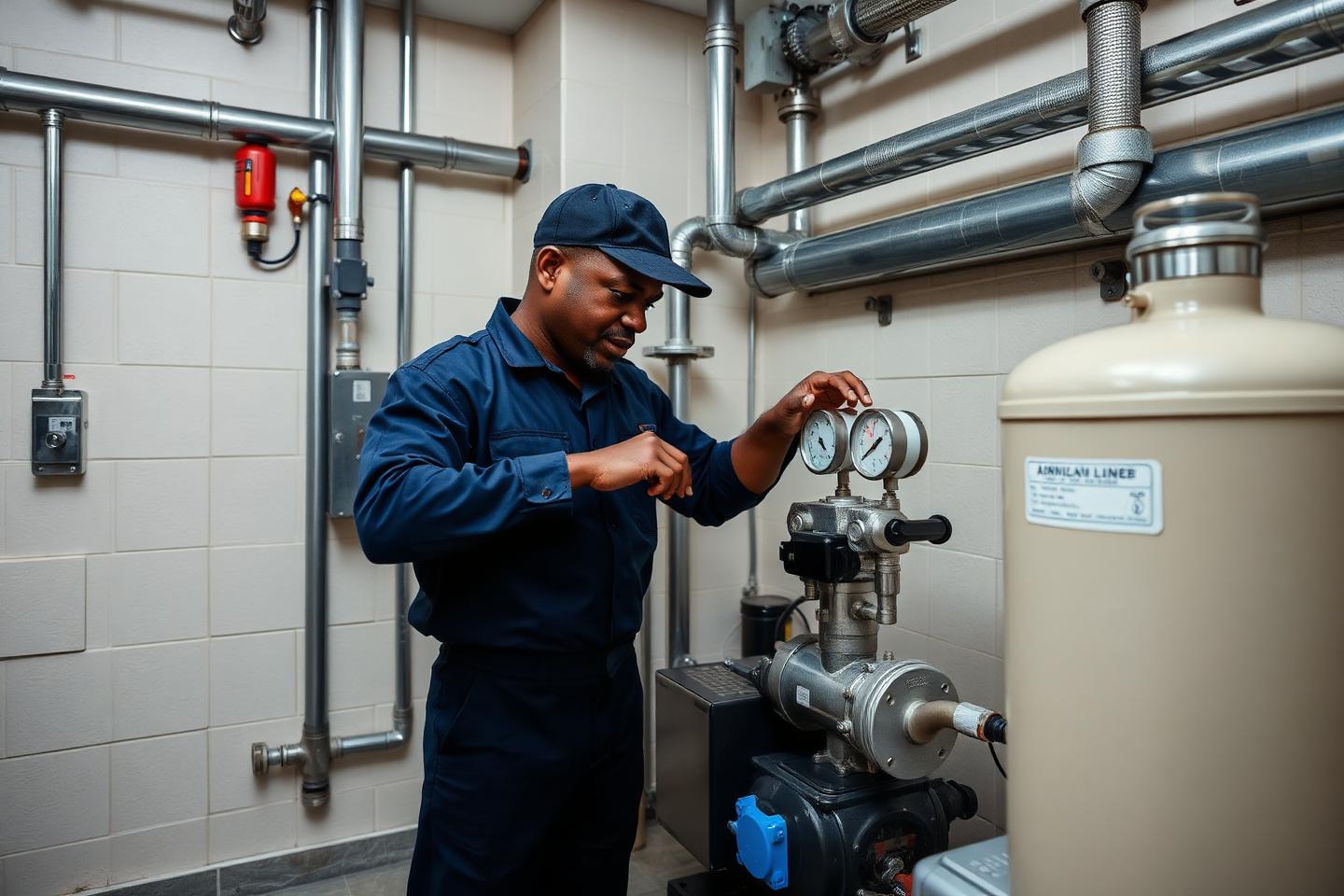
Never purchase a pre-assembled commercial package based solely on an estimated room count. Request a comprehensive on-site engineering assessment where an engineer tests your water source, inspects your pump room and storage tanks, reviews your equipment maintenance history, and models your true hydraulic demand.