Water Systems for Commercial Laundries
High-capacity water softening for detergent efficiency, extended linen life, boiler scale elimination, and lower chemical spend engineered for commercial and on-premise laundries.
Hard Water Silently Escalates Daily Operating Costs
In a commercial laundry or on-premise hospitality facility, water is your primary working tool. When incoming water contains high levels of dissolved calcium and magnesium minerals, wash chemistry breaks down. Surfactants and detergents react with hard minerals to form insoluble curd rather than active suds. To compensate, wash operators are forced to overdose expensive detergents, bleaches, and souring chemicals.
The damage extends directly to equipment and customer assets. Mineral crystals embed themselves in cotton towel and linen fibres, acting like sandpaper that wears out fabric and turns crisp white sheets dingy and grey. Simultaneously, untreated feedwater creates thick insulating limescale on steam boiler tubes and heat exchangers, leading to wasted fuel, hot water shortages, and catastrophic boiler element burnouts.
Protecting Capital Assets and Wash Quality
Conditioning laundry feedwater with automated ion-exchange softening strips out hardness ions before water enters the plant. Detergents foam effortlessly, rinse away cleanly without residue, and leave fabrics bright and soft while protecting boilers from costly scale damage.
Note: Softener resin volume, regeneration automation, and boiler feed integration are confirmed during the on-site water assessment based on daily wash volume, water hardness levels, and boiler specifications.
Four Pillars of Laundry Water Management
Tovila engineers continuous, automated treatment skids addressing wash chemistry, fabric durability, boiler efficiency, and chemical usage.
Softened Water for Detergent Efficiency
Ion-exchange softening removes dissolved calcium and magnesium that deactivate wash chemicals. In soft water, laundry detergents, alkalis, and emulsifiers dissolve completely, producing rich, active foam and enabling deeper soil penetration without chemical wastage.
- Maximises surfactant activation in commercial washer-extractors
- Ensures thorough, residue-free rinsing in shorter wash cycles
- Eliminates insoluble soap curd deposits on wash wheel walls
Linen Life & Whiteness Preservation
Eliminating abrasive mineral entrapment from cotton fabric fibres prevents fibre embrittlement and premature tearing. Linens, bath towels, and uniforms retain their original tensile strength, natural softness, and bright optical whiteness without requiring aggressive chemical stripping.
- Prevents premature thinning and fraying of commercial sheets
- Preserves towel plushness and absorbency without fabric softener overload
- Restores bright white appearance without repeated chlorine bleaching
Boiler Scale Prevention
Supplying zero-hardness feed water to steam boilers, ironers, and commercial water heaters stops insulating limescale formation. Clean boiler heat-transfer tubes prevent thermal hotspots, lower energy consumption, and protect against unexpected tube ruptures.
- Stops insulating mineral scale on steam boiler firetubes
- Protects commercial tunnel washers and plate heat exchangers
- Prevents boiler overheating and emergency downtime during peak shifts
Lower Chemical Spend
Optimized water chemistry allows wash formulas to achieve superior soil and stain removal with significantly reduced detergent dosages, neutralizing sours, and bleaching agents. Lower chemical demands protect operating margins while decreasing effluent discharge loads.
- Lowers ongoing consumption of commercial wash detergents
- Reduces acid neutralizing sour required during the final rinse
- Minimises chemical environmental footprint in laundry wastewater
Duplex Softening for Non-Stop 24-Hour Shifts
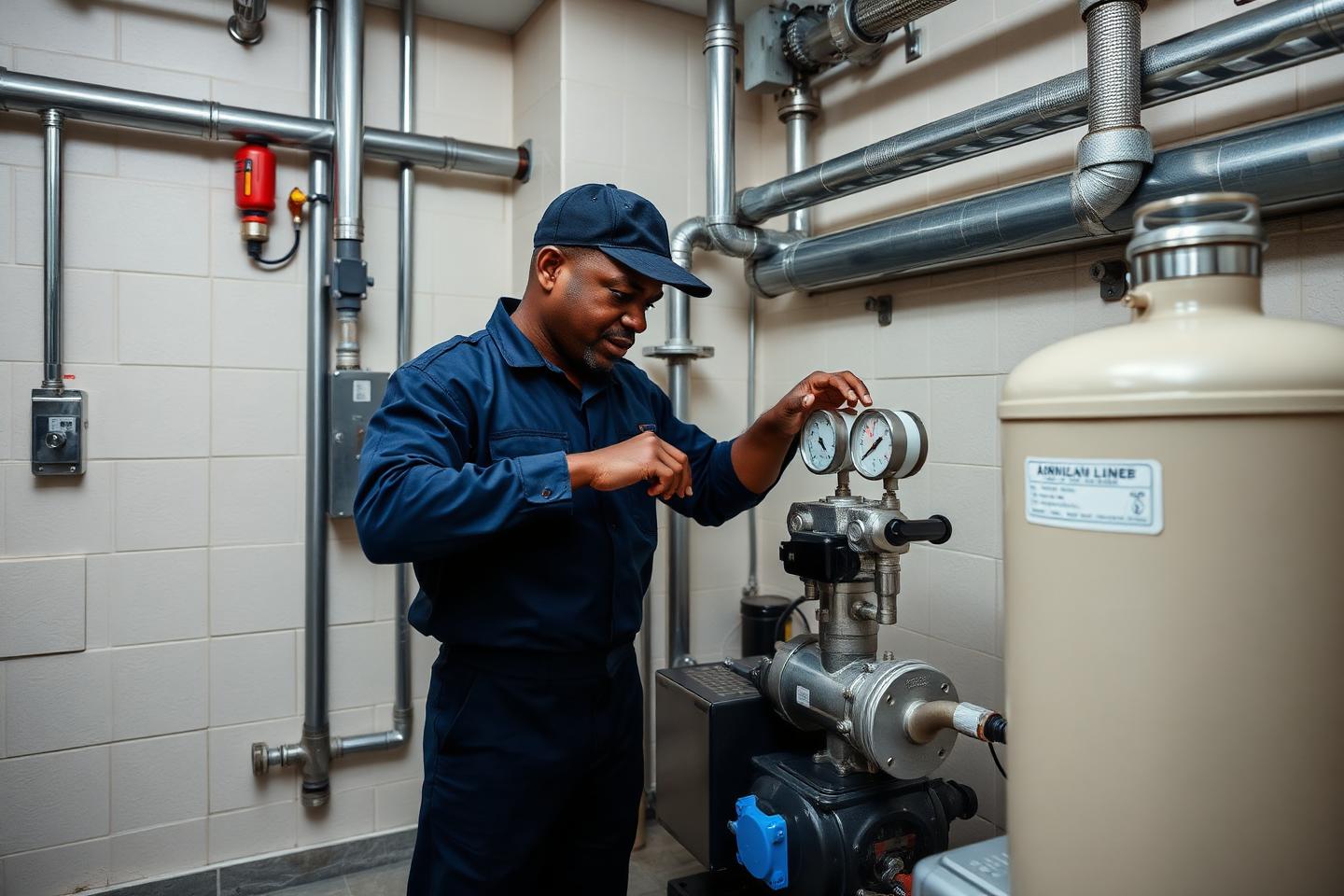
Commercial laundries cannot afford downtime when a water softener needs to regenerate its resin bed. Tovila deploys duplex alternating softener skids: one vessel remains online delivering softened water while the secondary vessel regenerates with brine or stands in reserve. The transition is fully automated, guaranteeing uninterrupted softened water throughout heavy multi-shift wash cycles.
Final resin tank sizing, brine tank dimensions, and valve flow ratings are confirmed during the on-site assessment based on wash wheel capacity, daily shift schedules, and raw water hardness titration.
Frequently Asked Questions
How much can this reduce chemical costs?
Softened water typically improves detergent efficiency and lowers chemical spend because surfactants are not neutralized by mineral hardness. Exact reductions depend on your current raw water hardness levels, machine wash programs, and chemical formulations, which our engineers evaluate during the on-site assessment.
Does this integrate with our existing boiler?
Yes. Our commercial systems are engineered to tie directly into existing boiler make-up and hot water heater feed lines. The package includes dedicated bypass headers and automated brine skids to ensure continuous feed without interrupting active steam production.
Explore Connected Commercial Solutions
Discover how Tovila manages water across other facilities with intensive utility demands:
Hotels & Resorts
Centralised whole-property water treatment, guest room luxury, on-premise laundry integration, and recreational swimming pool care.
Explore Hotel Systems →Offices & Commercial Buildings
Plumbed drinking stations, low-maintenance dispensers, cooling tower make-up conditioning, and building asset protection.
Explore Office Systems →Upgrade Laundry Efficiency & Protect Your Steam Boilers
Book an on-site commercial water assessment. Our engineers will titrate your water hardness, inspect wash machine and boiler feeds, and provide a tailored commercial softening plan.